


Specialized compounds outside the main peptide families.
A curated set of legitimate research compounds that deserve visibility without forcing them into an inaccurate family.
Start here.
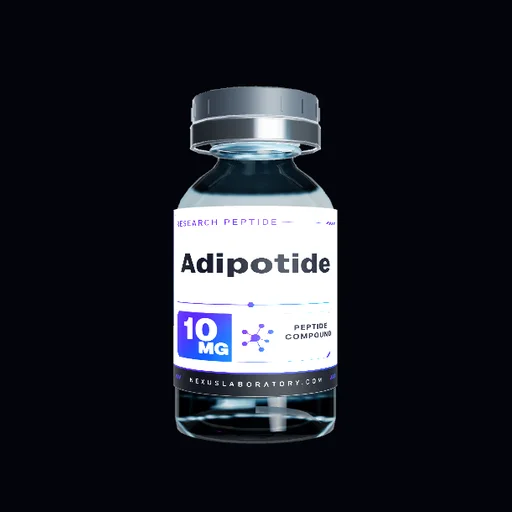
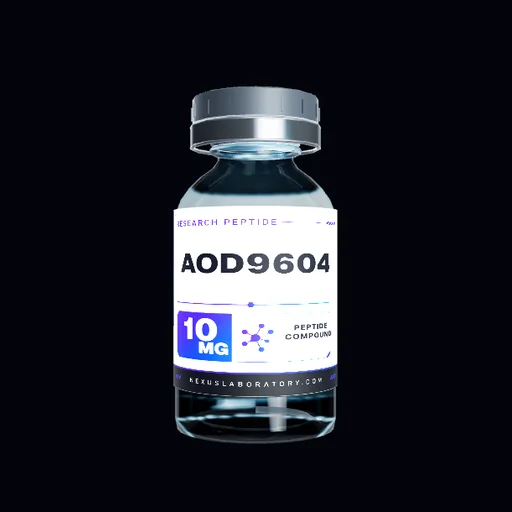
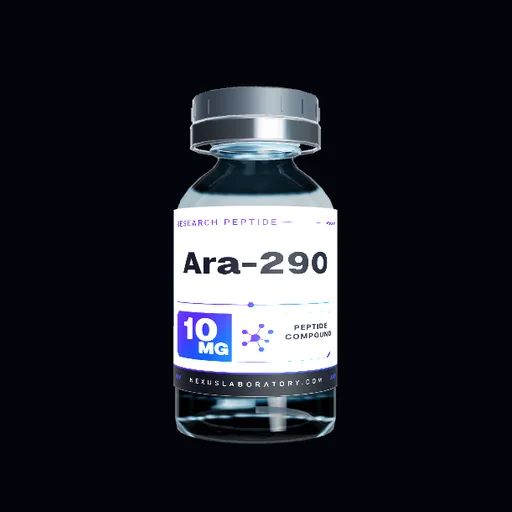
Specialty Research catalog.
3 of 96 productsCategory overview.
Specialty research compounds in the Nexus catalog include EPO-derived peptides, HGH-fragment derivatives, and adipose-tissue research peptides studied in preclinical research models. The catalog includes 3 compounds in this category — examples: Ara-290, Adipotide, AOD9604. Supplied for in-vitro research use only with batch-level certificates of analysis.
Specialty research products are legitimate catalog items that do not fit neatly into the larger peptide families. Nexus keeps this category to preserve discoverability without forcing products into inaccurate groups.
The current category includes ARA-290, Adipotide, and AOD9604. Each product should be evaluated individually because mechanisms, structure, and research context differ.
Research context.
Specialty categories are useful when product identity matters more than broad family membership. ARA-290, Adipotide, and AOD9604 do not belong in one mechanism family, but they deserve a clean search and navigation surface.
Nexus uses individual product pages for the deeper details, including variant size, chemistry fields, COA visibility, and related links. The category page provides enough context for crawlability without flattening important distinctions.
Quality standards.
Nexus keeps specialty copy conservative and product-specific. Batch verification, research-use language, and transparent missing-data handling are prioritized over broad claims.
Research applications.
Compounds in this category are research peptides outside the larger structural families. Common research applications include ARA-290 (cibinetide / pyroglutamate-helix-B-surface-peptide, an EPO-derived research peptide) research on tissue-protection signaling, adipotide (FTPP / fat-targeted proapoptotic peptide) research on adipose-tissue research applications, and AOD9604 research as an HGH-fragment-176-191-derivative for adipose-tissue research applications.
Compound diversity within this category.
The three compounds in this category span an EPO-derived peptide (ARA-290 / cibinetide, an 11-residue fragment of the helix-B surface of erythropoietin), an adipose-targeting fusion peptide (adipotide, a phage-display-derived fat-targeting peptide), and an HGH-fragment derivative (AOD9604, a modified 176-191 fragment with an added tyrosine residue). The category is intentionally small — it holds compounds with strong research-context standalone identity that don't cluster cleanly into the larger mechanism families.
Common research stacks.
AOD9604 + HGH fragment 176-191 (in Growth Hormone Secretagogues) for HGH-fragment family research; ARA-290 typically studied standalone in tissue-protection research; adipotide typically studied standalone in adipose-tissue research.
Verification specifics.
ARA-290 is an 11-residue peptide (~1.2 kDa) characterized by HPLC + ESI-MS. AOD9604 is a 17-residue peptide (~1.8 kDa) confirmed by the same methods. Adipotide is a 32-residue fusion peptide characterized by HPLC + deconvoluted MS.
Browse other research areas.
Researchers often cross-reference compounds across categories. See the full research catalog or jump to another category below.
- GLP-1 & Metabolic research compounds
- Growth Hormone Secretagogues research compounds
- Healing & Recovery research compounds
- Cosmetic & Skin research compounds
- Russian Bioregulators research compounds
- Cognitive & Nootropic research compounds
- Longevity & Cellular Health research compounds
- Tanning & Pigmentation research compounds
- Sexual Health research compounds
- Sleep research compounds
- Mitochondrial & Energy research compounds
- Oral Tablets research compounds
- Solvents & Accessories research compounds
For batch certificates of analysis, see the public COA archive. For reference data on compounds, see the peptide research database.